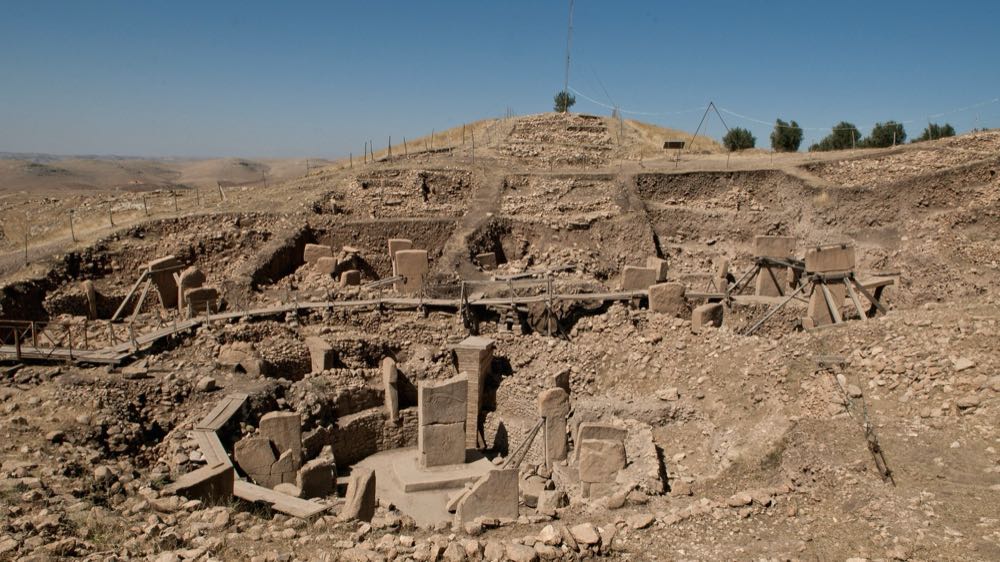
Rising above the limestone hills of southeastern Anatolia, Gobeklitepe shattered a century of archaeological consensus regarding the dawn of human civilization in a single excavation season. For decades, historians maintained that monumental architecture could only emerge after the advent of settled agriculture and structured social hierarchies. Yet the fact that hunter-gatherers who had not yet domesticated wheat arranged hundreds of tons of monoliths with celestial alignment proved that sacred architecture preceded the cultivated field.
The scorpions, foxes, and serpents deeply carved onto the T-shaped megaliths serve as silent witnesses to a sophisticated cosmological narrative that governed ancestral minds. This monumental sanctuary documents that early hunters did not merely chase game, but gathered from hundreds of kilometers away to articulate shared existential inquiries. When modern observers touch these ancient stones today, they confront the purest starting point of collective human memory and spiritual yearning.